
How to Clean Your Ingenuity Baby Swing Fabric and Frame Without Damaging the Mechanism
A baby swing sees spills, spit-up, and snack crumbs every day, and the fabric absorbs all of it. Regular cleaning keeps your Ingenuity swing hygienic and extends its life, but the wrong approach can damage delicate components or leave residue that irritates your baby’s skin.
We designed our swings with removable seat pads and wipeable frames to make maintenance straightforward. This guide walks through the safest way to clean baby swing fabric, protect the motor housing, and handle stubborn stains without voiding your warranty or risking mechanical damage.

Removing and Preparing the Fabric Seat Pad
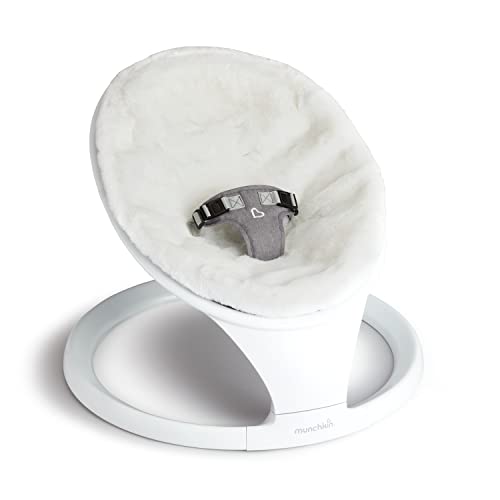
Most Ingenuity swing models feature a seat pad that detaches via snaps or hook-and-loop fasteners along the back and under the seat. Before you start, unplug the swing and remove any toys or accessories.
Locate the attachment points — typically four to six snaps around the perimeter — and release them gently. If your model includes harness straps that thread through slots in the fabric, unbuckle the harness first and slide the straps free before lifting the pad away. Some parents find it helpful to take a quick photo of the strap routing before disassembly to simplify reinstallation later.
Once the pad is free, shake it outdoors to dislodge loose crumbs and debris. Check the care label sewn into the seam — it will specify whether the fabric is machine washable or requires spot cleaning only.
Machine Washing vs. Spot Cleaning: Which Method to Use
If the care label permits machine washing, place the seat pad in a mesh laundry bag to protect snaps and prevent snagging. Use cold water on a gentle cycle with a mild, dye-free detergent — avoid bleach, fabric softeners, and heavy-duty stain removers, as these can degrade elastic and leave residue that irritates sensitive skin.
For spot cleaning, mix a tablespoon of mild detergent with a cup of cool water and apply the solution with a soft cloth, working from the outside of the stain inward. Blot rather than scrub to avoid pushing the stain deeper into the fibers.
After washing, air-dry the pad completely before reattaching it. Never use a dryer or direct heat source — high temperatures can shrink fabric, warp plastic backing, and weaken adhesive bonds in laminated sections. Hang the pad in a well-ventilated area or lay it flat on a clean towel, flipping it halfway through drying.
Cleaning the Frame, Motor Housing, and Swing Arm
While the fabric dries, wipe down the frame with a damp microfiber cloth. For the motor housing and electronic components, use a cloth wrung nearly dry — excess moisture near the motor can cause corrosion or electrical faults.
Pay attention to the swing arm pivot points and the seat attachment bracket, where crumbs and dust accumulate. A soft-bristle toothbrush works well for crevices without scratching plastic. If you notice formula or milk residue on the toy bar, remove it according to your model’s instructions and wash it separately with the same mild detergent solution.
Avoid ammonia-based cleaners, disinfecting wipes with bleach, or aerosol sprays near the motor or control panel. These can damage coatings and leave a film that attracts more dust. A solution of one part white vinegar to four parts water works for stubborn sticky spots on hard surfaces, but keep it away from electronic components.

Handling Stubborn Stains and Odors in Swing Fabric
For set-in stains like pureed carrots or berries, pre-treat the spot before washing. Apply a paste of baking soda and water, let it sit for 15 minutes, then rinse with cool water. This lifts organic stains without harsh chemicals.
If the fabric has absorbed a sour milk smell, sprinkle baking soda over the entire pad after spot cleaning and let it sit for an hour before vacuuming it off. The baking soda neutralizes odors trapped in the fibers.
Some parents ask whether they can use enzyme cleaners designed for baby gear — these are safe for most fabrics, but test a hidden seam first to ensure the cleaner doesn’t discolor or weaken the material. Never soak the pad in a bucket or bathtub, as prolonged submersion can separate laminated layers and damage foam inserts.
Reassembling and Maintaining Your Swing Between Deep Cleans
Once the seat pad is completely dry, thread the harness straps back through their slots if applicable, then snap or fasten the pad onto the frame. Tug gently at each attachment point to confirm it’s secure — a loose pad can shift during use and create a gap where small items can fall into the mechanism.
Between full cleanings, keep a pack of fragrance-free baby wipes near the swing for quick wipe-downs after meals. Addressing spills immediately prevents stains from setting. Every few weeks, vacuum the fabric with an upholstery attachment to remove dust and pet hair.
If your swing runs on AC power, inspect the cord during cleaning for fraying or damage. A worn cord is a safety hazard and should be replaced before the next use.
Keeping Your Swing Clean Without Compromising Safety
A clean swing is safer and more comfortable for your baby, and routine maintenance prevents the buildup that leads to stubborn stains and odors. By following the fabric care instructions, protecting electronic components from moisture, and addressing spills quickly, you’ll extend the life of your Ingenuity swing without risking damage to the mechanism.
If you’re weighing the cleaning requirements of different models, our comparison of the InLighten and SimpleComfort swings covers how fabric type and seat design affect day-to-day upkeep. Whichever model you choose, a few minutes of regular care keeps it looking and working like new through countless naps and playtimes.
Common Questions About Cleaning Ingenuity Baby Swings
Check the care label sewn into your specific model’s seat pad. Many Ingenuity pads are machine washable on a cold, gentle cycle, but some require spot cleaning only. Always use a mesh laundry bag and air-dry completely — never use a dryer, as heat can shrink fabric and damage elastic.
If you can’t detach the pad, spot clean with a damp cloth and mild detergent solution. Work in small sections, blotting rather than scrubbing. Use a nearly-dry cloth near the motor housing to avoid moisture damage. For odors, sprinkle baking soda on the fabric, let it sit for an hour, then vacuum it off.
Never use bleach, fabric softener, ammonia-based cleaners, or disinfecting wipes with harsh chemicals — these degrade fabric, leave residue, and can damage plastic components. Avoid soaking the seat pad or getting the motor housing wet. Never put any part of the swing in a dryer or expose it to direct heat.
Deep clean the fabric every two to four weeks, or immediately after large spills. Wipe down the frame and toy bar weekly. Daily quick wipe-downs with baby wipes after meals prevent buildup and reduce the need for intensive scrubbing later.
Most disinfectant sprays are too harsh for baby gear and can leave residue or damage coatings. Instead, use a cloth dampened with a diluted vinegar solution on hard surfaces only. For fabric, washing with hot water (if the care label allows) or adding a cup of white vinegar to the rinse cycle provides mild disinfection without chemicals.
Air-dry the pad completely in a well-ventilated area, either hung over a drying rack or laid flat on a clean towel. Flip it halfway through to ensure even drying. Never use a clothes dryer, radiator, or direct sunlight — heat can shrink fabric, warp plastic backing, and weaken seams.